Fragrant Sumac (Rhus aromatica) is a tough, low-growing native shrub valued for wildlife habitat, attractive foliage, and excellent fall color. Its three-part leaves resemble poison ivy at first glance, but Fragrant Sumac is a completely different plant.
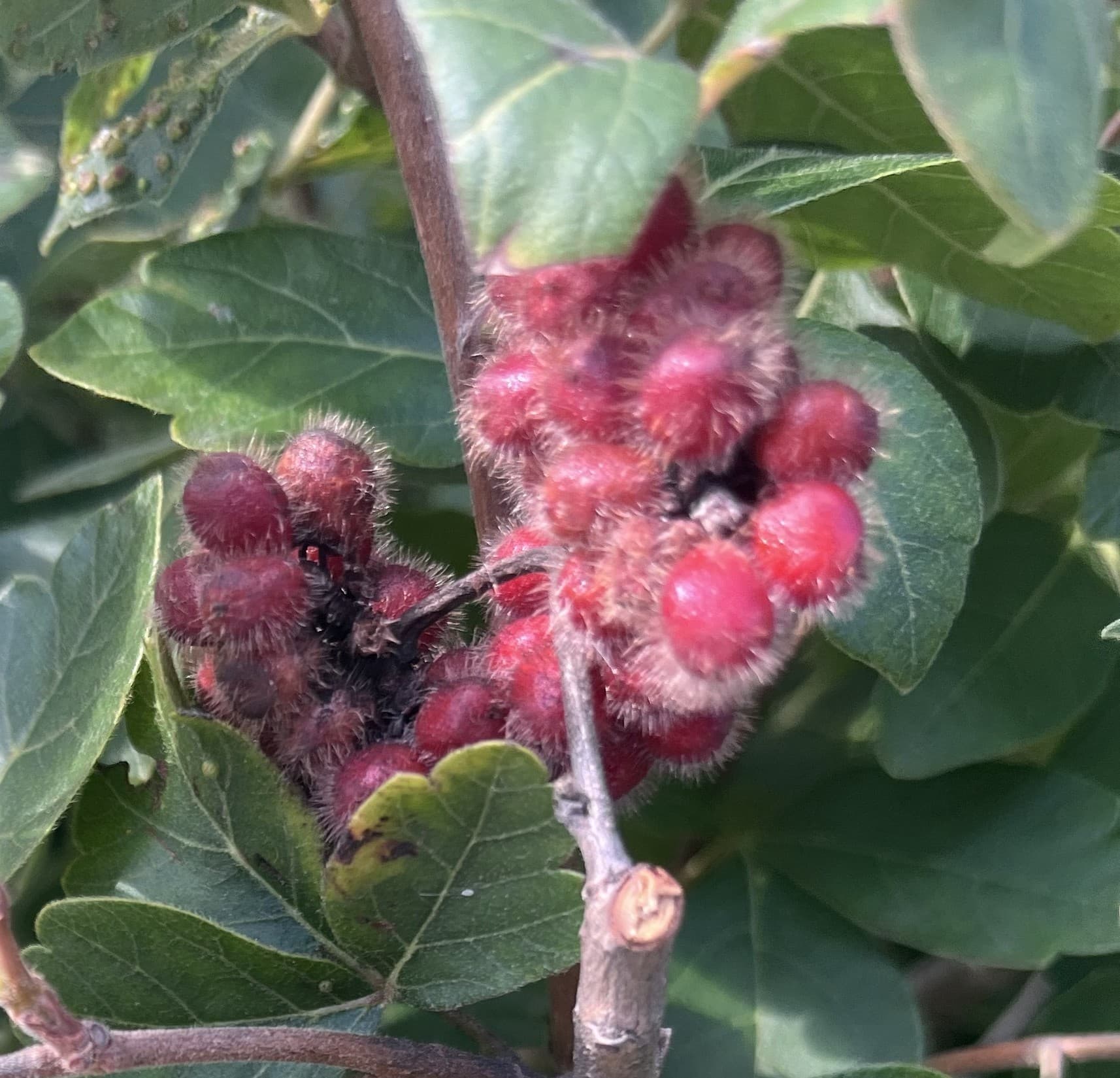
Small yellow flowers appear in spring, followed by clusters of fuzzy red fruit that can persist and provide food for birds and other wildlife. The foliage develops beautiful shades of red, orange, and burgundy in fall.
Fragrant Sumac is especially useful for naturalized plantings, wildlife gardens, slopes, woodland edges, and areas where a durable native shrub is needed.
Each pack contains 25 seeds.
Seeds collected and packed by Base Camp North.
Small-batch seed lots are gathered, cleaned, processed, and packed by Josh at Base Camp North with help from a few friends in Pennsylvania.
Available options
Pack of 100
SKU BCN-FRASUM-2026-100
$12.99
13 available
Pack of 25
SKU BCN-FRASUM-2026-25
$5.99
52 available
SKU BCN-FRASUM-2026-100 · 13 available
$12.99
13 in stock
Seed packets can ship by $2 Economy Seed Mail without tracking when they fit in one envelope. Tracked USPS options are available at checkout, and up to 12 seed packets usually fit in one envelope.
Checkout runs through Stripe. Pickup and shipping options are checked before payment.
Growing information
Hardiness
Zone 3
Sun
Full Sun to Part Shade
Soil
Adaptable
Bloom or harvest season
Spring
Mature height
3-6 ft
Spacing
3-6 ft
Native range
Eastern North America
Wildlife value
High
Pollinator value
Moderate
Growing notes
Fragrant Sumac is a hardy native shrub tolerant of a wide range of conditions, including dry and relatively poor soils. Plants can spread by suckering and gradually form colonies, making them useful for naturalized areas, erosion control, wildlife habitat, and mass plantings. Established plants are drought tolerant.
Planting or germination instructions
Fragrant Sumac seeds benefit from scarification followed by cold, moist stratification.
Scarification: Carefully nick or lightly abrade the hard seed coat without damaging the embryo. Another commonly used method is hot-water scarification.
Cold stratification: After scarification, place seeds in a slightly moist medium and refrigerate for approximately 30–60 days.
After treatment, sow approximately 1/4 inch deep in a moist, well-drained growing medium. Keep warm and consistently moist during germination.
Germination of native woody plants can be irregular, so some seeds may take longer than others.