Base Camp NorthNative nursery and GISCart
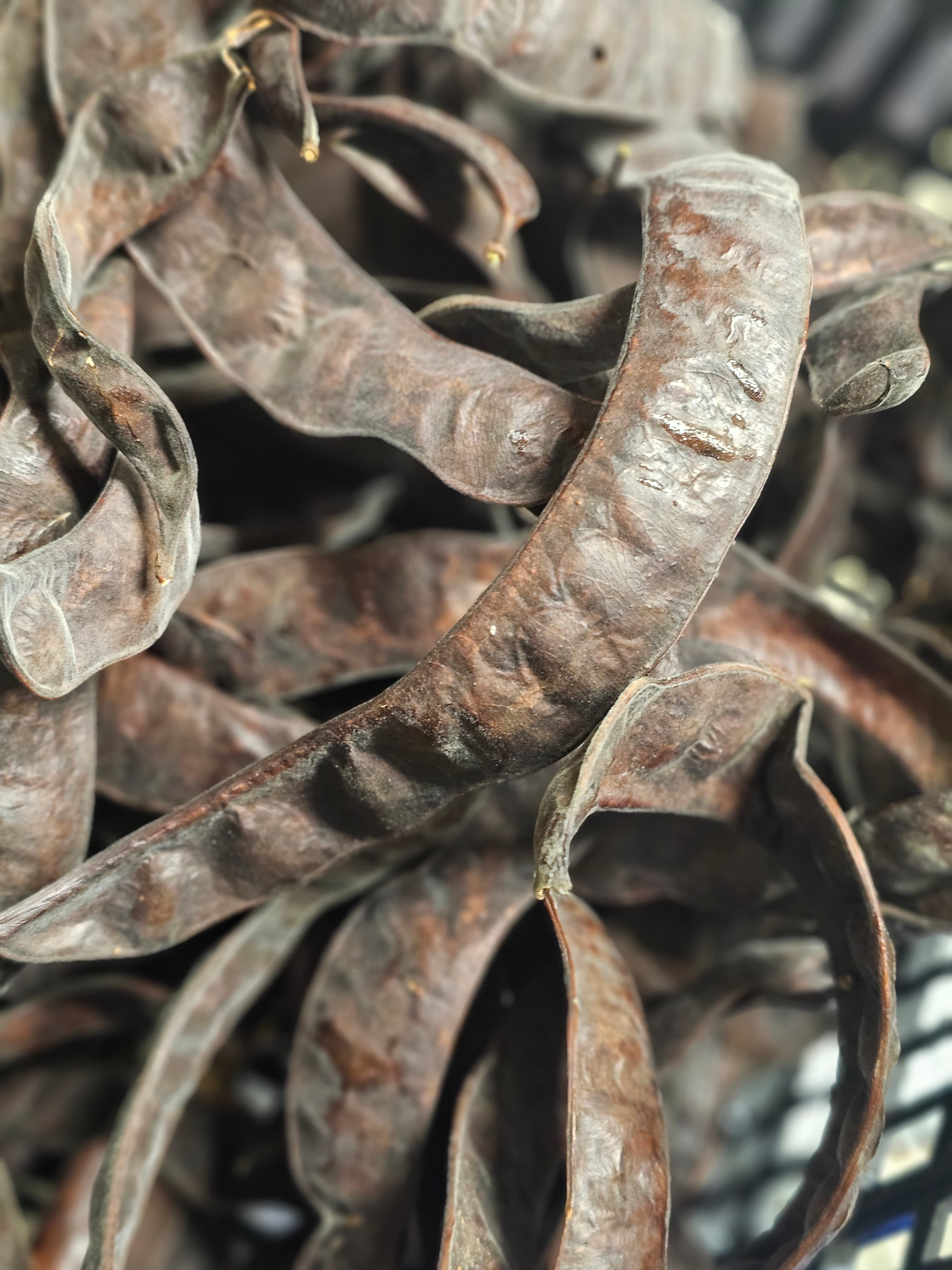
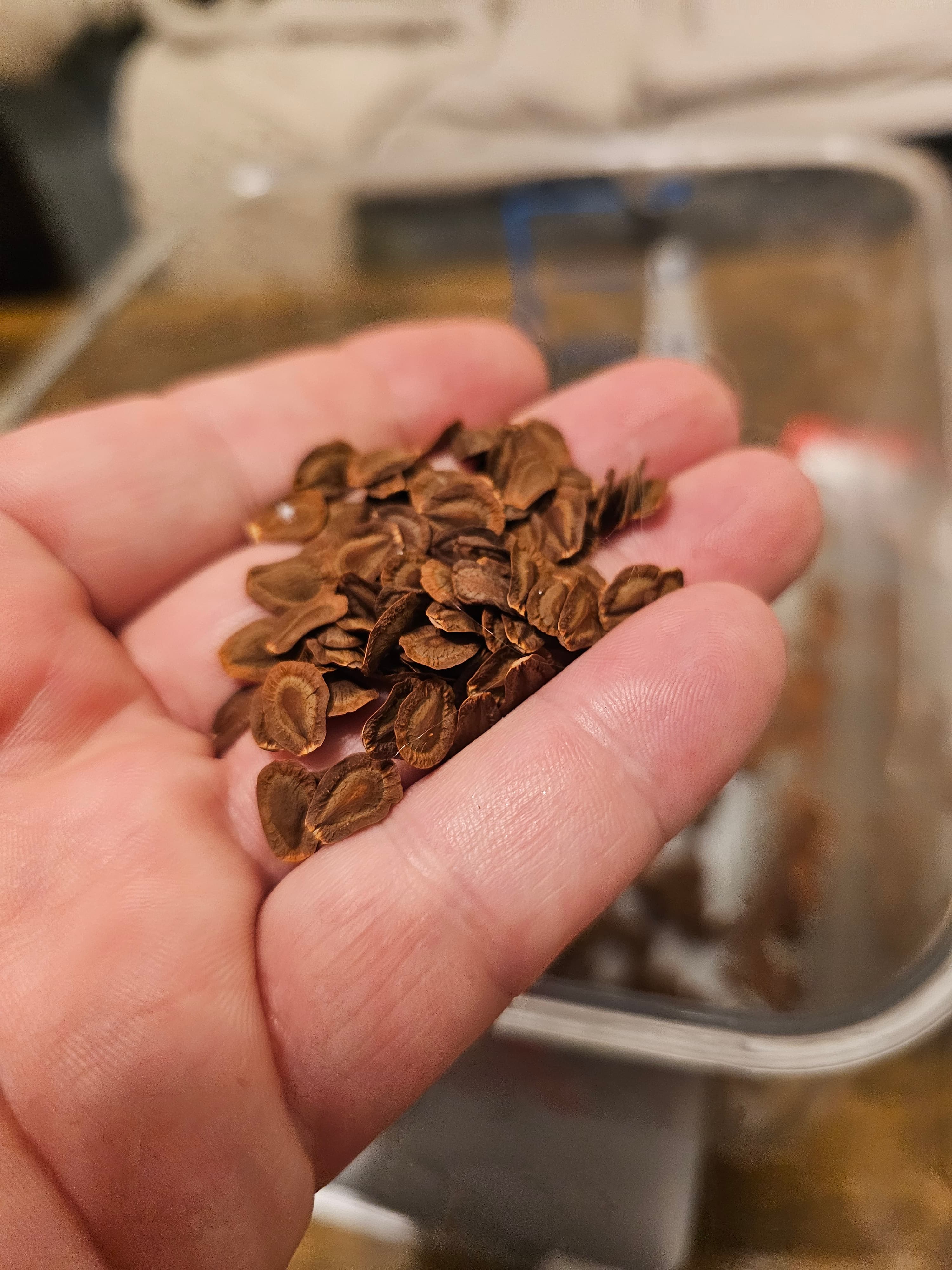
Honey Locust Seeds – Fast Growing Tree, Deer Food, Wildlife & Permaculture

Seeds

Honey Locust Seeds – Fast Growing Tree, Deer Food, Wildlife & Permaculture

See description

Honey Locust seeds are ideal for cultivating fast-growing trees that thrive in various climates. These trees are highly valued for attracting wildlife, serving as a reliable food source for deer and other animals. Perfect for permaculture systems, they contribute to sustainable ecosystems and biodiversity.

Available options

Pack of 100

SKU 553574Z

$10.99

Sold out

Pack of 25

SKU V115258

$5.99

9 available

SKU V115258 · 9 available

$5.99

9 in stock

Seed packets can ship by $2 Economy Seed Mail without tracking when they fit in one envelope. Tracked USPS options are available at checkout, and up to 12 seed packets usually fit in one envelope.

Checkout runs through Stripe. Pickup and shipping options are checked before payment.

Growing information

Hardiness

Zone 4

Sun

Full Sun

Soil

Adaptable

Mature height

10-25 ft

Wildlife value

High

Pollinator value

Low

Growing notes

Honey Locust seeds are ideal for cultivating fast-growing trees that thrive in various climates. These trees are highly valued for attracting wildlife, serving as a reliable food source for deer and other animals. Perfect for permaculture systems, they contribute to sustainable ecosystems and biodiversity.

Related products

Back to shop
Prairifire Crabapple (Malus ‘Prairifire’) – Seeds

Seeds

Prairifire Crabapple (Malus ‘Prairifire’) – Seeds

Malus ‘Prairifire’

$5

Prairifire Crabapple is a hardy ornamental crabapple valued for its vibrant spring blossoms, colorful fruit, and strong disease resistance. This popular landscape tree is widely planted across the United States and performs well in Pennsylvania and the broader Northeast. In spring, Prairifire Crabapple produces abundant deep pink to red blossoms that attract pollinators and beneficial insects. As the season progresses, small dark red crabapples develop and often persist into winter, providing an important food source for birds and wildlife. Prairifire is known for its adaptability and ornamental value, offering multiple seasons of interest with spring flowers, glossy summer foliage, colorful fruit, and attractive fall color. This versatile tree is well suited for wildlife hedgerows, homestead landscapes, pollinator gardens, and naturalized plantings. Seed Pack Options: 25 Seeds 100 Seeds Plant Characteristics: Botanical Name: Malus Prairifire Plant Type: Deciduous ornamental tree Mature Height: 1525 feet Sun: Full sun Soil: Adaptable; prefers well-drained soils Wildlife Value: High fruit supports birds through winter Planting Notes: Crabapple seeds typically benefit from cold moist stratification for 6090 days before planting. Seeds may be stratified in a refrigerator or sown outdoors in fall or winter to allow natural winter conditions to break dormancy. Seed-grown trees may vary slightly from the parent cultivar, which is normal when growing ornamental crabapples from seed.

3 available

2 options

Fast Growing Tree Seeds (3 Varieties) – Honey Locust, Catalpa, Sumac

Seeds

Fast Growing Tree Seeds (3 Varieties) – Honey Locust, Catalpa, Sumac

3 Varieties

$14.99

Fast-growing trees to create shade, privacy, and improve your land—quickly and affordably. Includes Honey Locust, Catalpa, and Sumac—hardy species selected for rapid growth and tough conditions. Grow your own fast-growing trees and shrubs with this seed mix designed for landowners, homesteaders, and anyone looking to establish shade, privacy, or wildlife habitat. This mix includes species known for their ability to grow quickly and thrive in a wide range of conditions—including poor soils and open land. Includes: 75 seeds Honey Locust – fast-growing, hardy shade tree (Pack of 25) Catalpa – large leaves and rapid growth (Pack of 25) Smooth Sumac – fast-spreading cover for edges and wildlife (Pack of 25) Perfect for: Privacy planting and natural screens Property edges and boundaries Shade tree establishment Wildlife habitat and cover Land restoration and improvemen An affordable way to plant dozens of trees and improve your land over time.

5 available

Regular

Staghorn Sumac Seeds

Seeds

Staghorn Sumac Seeds

Rhus typhina

$5

Staghorn Sumac is a striking native shrub or small tree recognized for its velvety branches, dramatic tropical-looking foliage, and brilliant fall color. This hardy species is widely found across eastern North America and grows well throughout Pennsylvania and the broader Northeast. In summer, Staghorn Sumac produces upright clusters of small greenish flowers that attract pollinators and beneficial insects. By late summer and fall, dense cone-shaped clusters of deep red berries form at the tips of the branches. These fruit clusters persist into winter and provide an important food source for birds and wildlife. The name staghorn comes from the soft, fuzzy coating on the young branches, which resemble the texture of deer antlers in velvet. The plant naturally spreads to form colonies, making it an excellent species for wildlife habitat plantings and natural hedgerows. Staghorn Sumac is highly adaptable and thrives in full sun and poor or disturbed soils. Once established, it is drought tolerant and extremely resilient, making it valuable for restoration projects and erosion control. Seed Pack Options: 25 Seeds 100 Seeds Plant Characteristics: Botanical Name: Rhus typhina Plant Type: Native deciduous shrub or small tree Mature Height: 1525 feet Sun: Full sun Soil: Highly adaptable; tolerates dry or poor soils Wildlife Value: Very high berries support birds through winter Planting Notes: Staghorn Sumac seeds typically benefit from scarification followed by cold stratification to improve germination. Seeds may be sown outdoors in fall or winter to allow natural seasonal cycles to break dormancy, or prepared using refrigerator stratification before spring planting. As with many native shrubs, germination may occur over multiple seasons.

7 available

2 options