Growing notes
Red Elderberry grows naturally along woodland edges, streams, and forest openings. It establishes quickly and is an excellent choice for native hedgerows, restoration plantings, and wildlife habitat projects.
Seeds
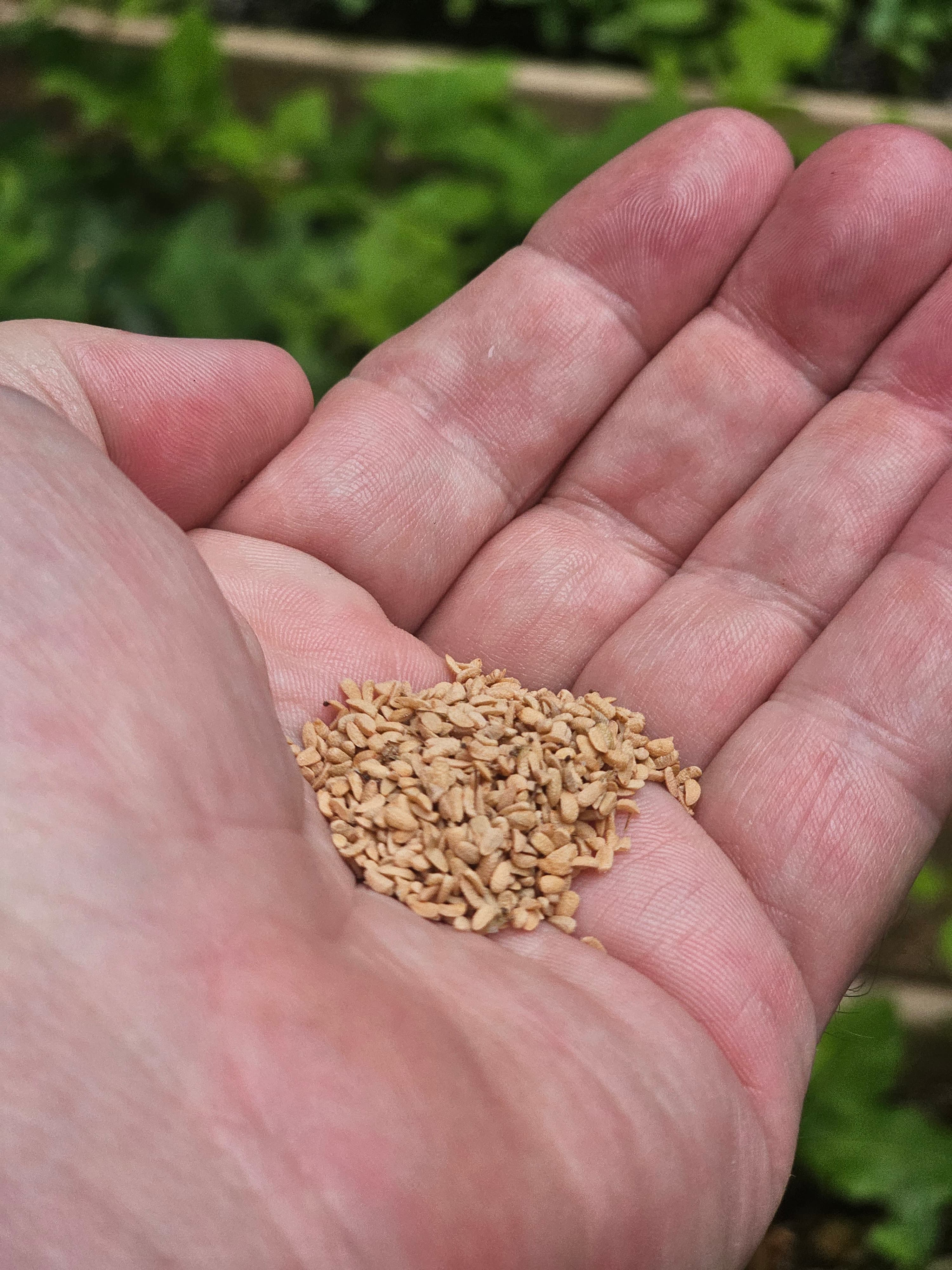
Sambucus racemosa
Red Elderberry (Sambucus racemosa) is a cold-hardy native shrub that produces showy clusters of creamy-white flowers in spring followed by brilliant red berries in summer. It is an excellent choice for wildlife habitat, woodland edges, restoration projects, and native landscapes. The berries are highly valued by birds and other wildlife, while the flowers provide an early nectar source for native pollinators. Dense branching also creates excellent nesting and cover habitat. Seeds are responsibly wild-collected in Northeastern Pennsylvania and packaged by Base Camp North. Includes: Fresh Red Elderberry seeds Responsibly wild collected Cleaned and ready for stratification Packaged in Pennsylvania
Small-batch seed lots are gathered, cleaned, processed, and packed by Josh at Base Camp North with help from a few friends in Pennsylvania.
Pack of 100
SKU BCN-2026-REB-100
$5
3 available
Pack of 25
SKU BCN-2026-REB-25
$5
14 available
SKU BCN-2026-REB-100 · 3 available
$5.00
3 in stock
Seed packets can ship by $2 Economy Seed Mail without tracking when they fit in one envelope. Tracked USPS options are available at checkout, and up to 12 seed packets usually fit in one envelope.
Checkout runs through Stripe. Pickup and shipping options are checked before payment.
Hardiness
Zone 3
Sun
Full Sun to Part Shade
Soil
Moist, well-drained
Bloom or harvest season
Spring
Mature height
10-25 ft
Spacing
6-10 ft
Native range
North America
Wildlife value
High
Pollinator value
Moderate
Host plant information
Not Known
Red Elderberry grows naturally along woodland edges, streams, and forest openings. It establishes quickly and is an excellent choice for native hedgerows, restoration plantings, and wildlife habitat projects.
Planting or Germination Instructions Cold stratify seeds for 90–120 days in a moist medium. Plant ¼ inch deep in spring. Keep soil evenly moist during germination. Plant in full sun to partial shade. Water regularly during the first growing season.
Seeds are shipped dry and packaged for long-term storage until you're ready to begin cold stratification.
Seeds
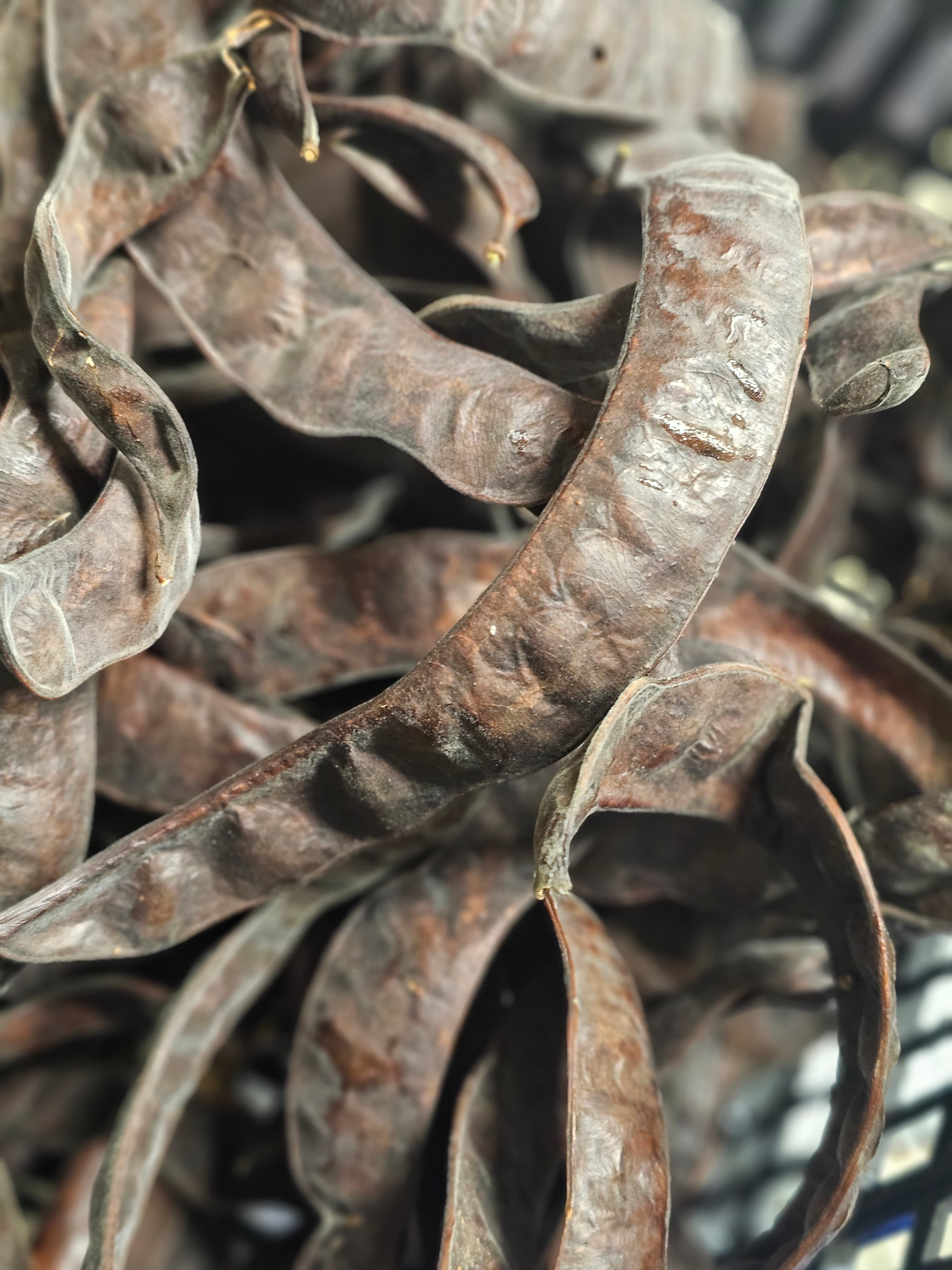
Gleditsia triacanthos
$5.99
Honey Locust seeds are ideal for cultivating fast-growing trees that thrive in various climates. These trees are highly valued for attracting wildlife, serving as a reliable food source for deer and other animals. Perfect for permaculture systems, they contribute to sustainable ecosystems and biodiversity.
Gathered, processed, and packed by Base Camp North.
Sold out
2 options
Seeds
$19.99
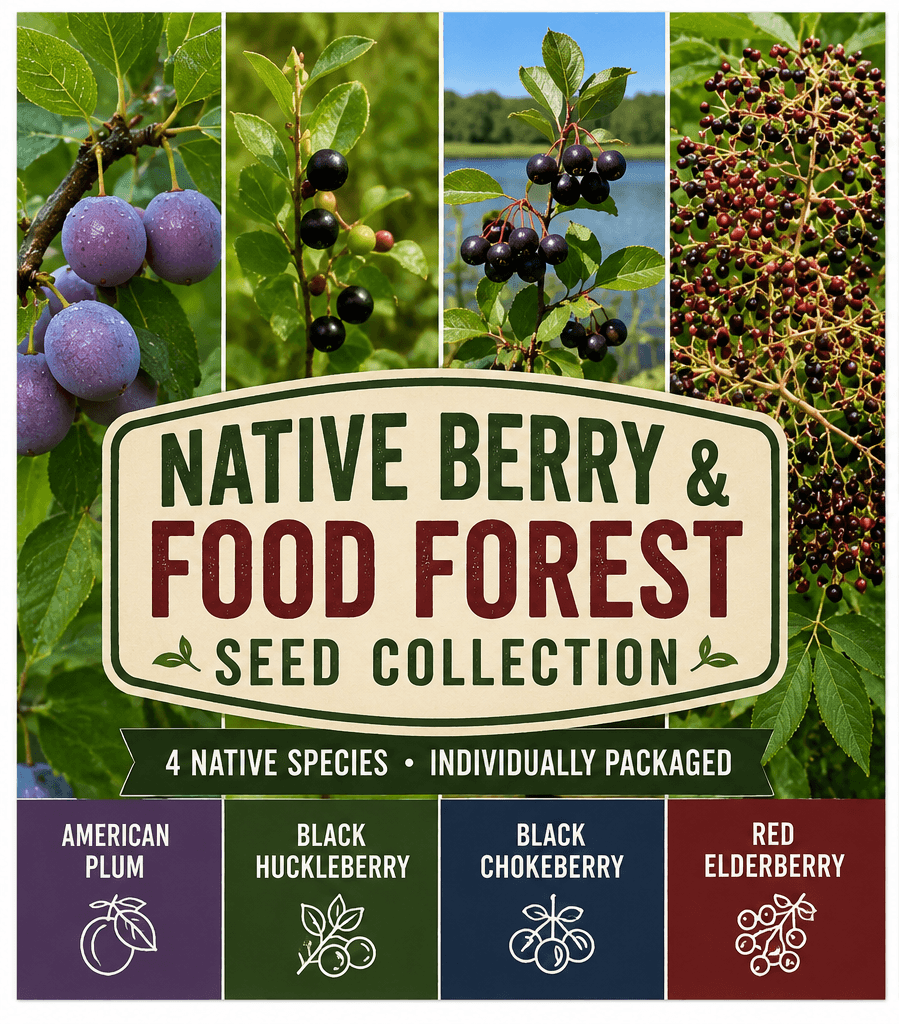
Grow a diverse collection of native berry-producing shrubs and small trees for edible landscaping, wildlife plantings, food forests, homesteads, and naturalized gardens. The Native Berry & Food Forest Seed Collection includes four individually packaged species, each with approximately 25 seeds. That gives you approximately 100 seeds total across four native plants with strong landscape, wildlife, and food-forest value. Includes: Beach Plum (Prunus maritima) — 25 seeds Black Huckleberry (Gaylussacia baccata) — 25 seeds Black Chokeberry (Aronia melanocarpa) — 25 seeds Red Elderberry (Sambucus racemosa) — 25 seeds Beach Plum is a hardy native shrub or small tree known for its fruit and tolerance of challenging sites. Black Huckleberry is a low-growing woodland shrub with dark berries valued by wildlife. Black Chokeberry produces dark fruit and strong fall color, while Red Elderberry provides flowers and clusters of fruit that attract birds and other wildlife. This collection is ideal for people building a food forest, edible native landscape, wildlife garden, hedgerow, or woodland-edge planting. Each species is packaged and labeled separately. Seeds are not mixed together. Native woody plants often require patience. Some seeds benefit from cold-moist stratification, and germination can occur over an extended period rather than all at once.
Gathered, processed, and packed by Base Camp North.
10 available
Bundle
1 Native Berry & Food Forest Seed Collection— 4 Species / 100 Seeds
Seeds
$24.99
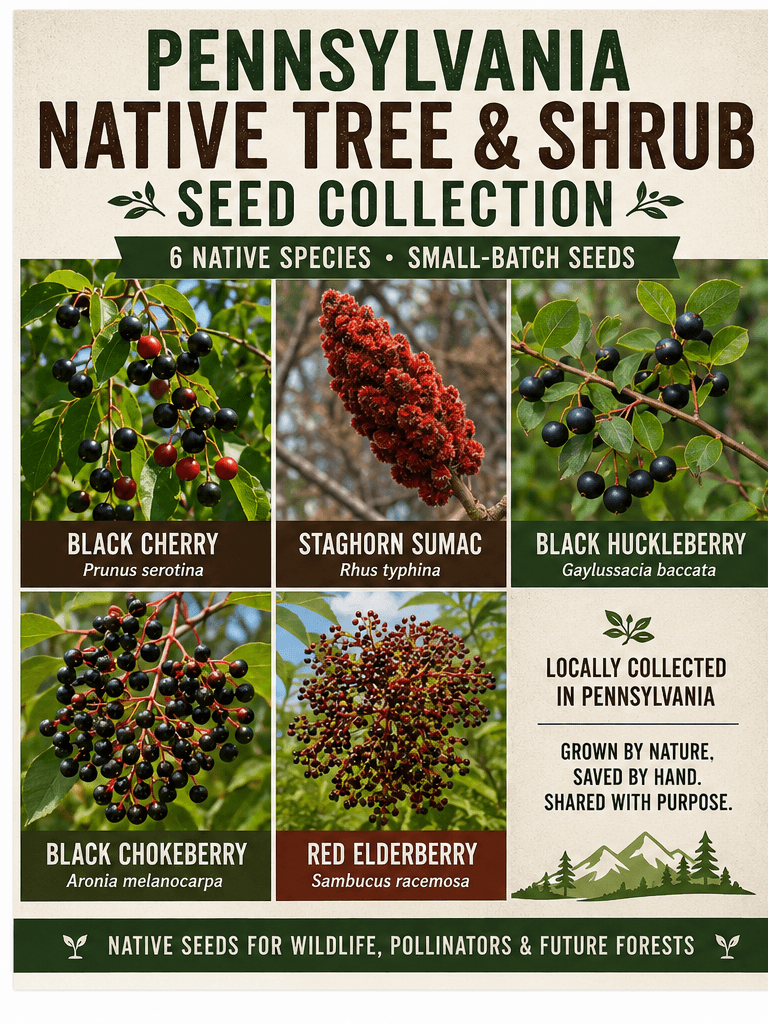
Start a diverse native planting with a curated collection of Pennsylvania native tree and shrub seeds selected for woodland edges, habitat restoration, naturalized landscapes, and backyard native gardens. This collection includes five individually packaged species, with approximately 25 seeds per packet and approximately 125 seeds total. Includes: Black Cherry (Prunus serotina) — 25 seeds Staghorn Sumac (Rhus typhina) — 25 seeds Black Huckleberry (Gaylussacia baccata) — 25 seeds Black Chokeberry (Aronia melanocarpa) — 25 seeds Red Elderberry (Sambucus racemosa) — 25 seeds Together, these species provide a mix of trees and shrubs that can add structure, fruit, cover, fall color, and ecological value to a planting. This collection is a good fit for native gardeners, landowners, habitat projects, woodland restoration, naturalized borders, and anyone who wants to establish a broader mix of native woody plants from seed. Each species comes in its own labeled packet. The seeds are not mixed together, so you can sow each species according to its individual germination requirements. Woody native seeds often require cold stratification or other pretreatment. Germination times vary by species and may be irregular. Growing native trees and shrubs from seed is a longer-term project, but it can be an economical way to establish larger numbers of plants.
Gathered, processed, and packed by Base Camp North.
3 available
Bundle
One (1) Pennsylvania Native Tree & Shrub Seed Collection - 5 Species / 125 Seeds