Base Camp NorthNative nursery and GISCart
American Elderberry (Sambucus canadensis) Seeds

Plants

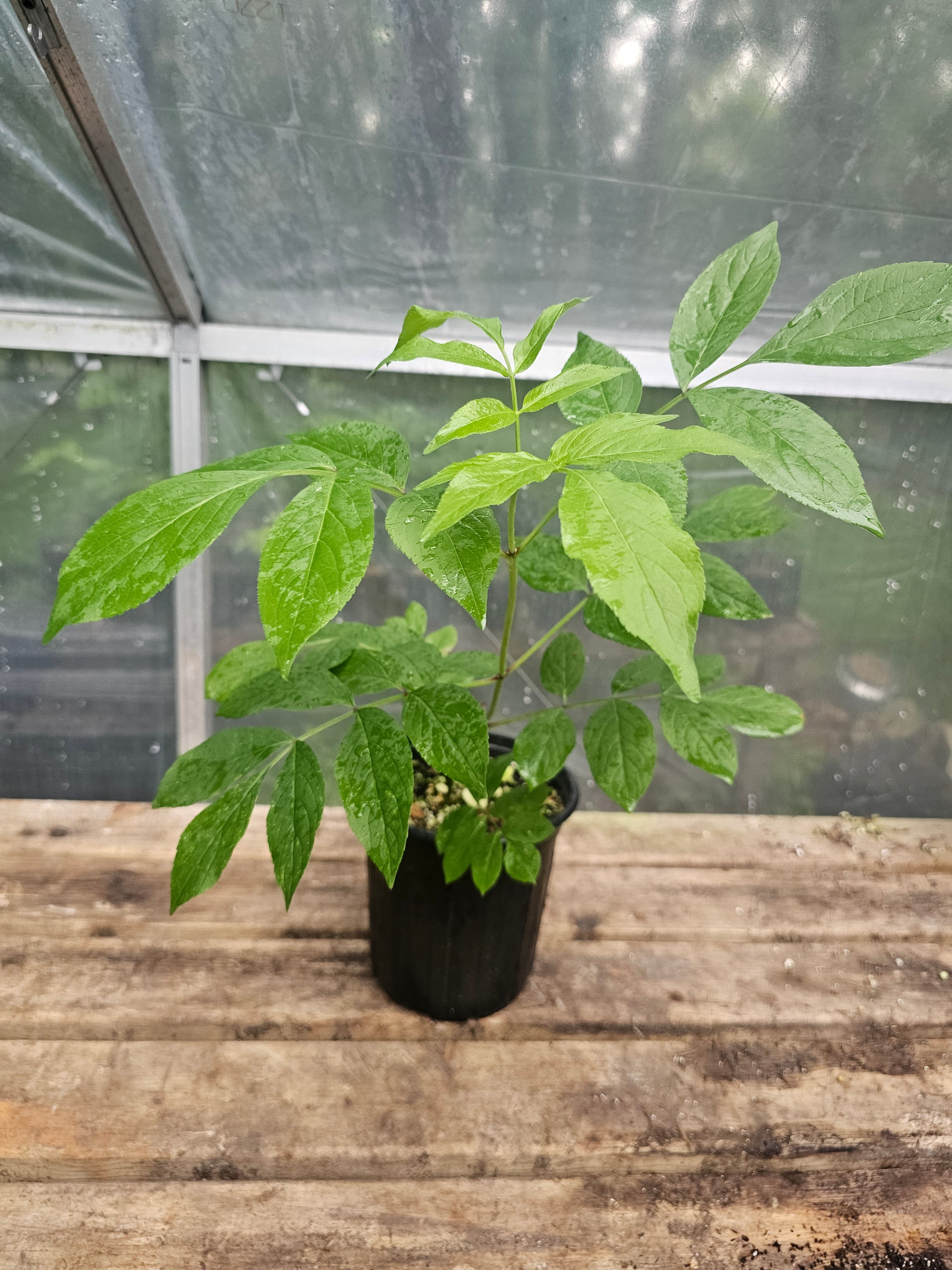
American Elderberry (Sambucus canadensis) – Live Plant

Sambucus canadensis (also recognized as Sambucus nigra subsp. canadensis)

Grow one of North America’s most productive and wildlife-friendly native shrubs. American Elderberry (Sambucus canadensis) is a fast-growing native shrub valued for its large clusters of fragrant white flowers and abundant dark purple berries. It is an excellent choice for wildlife habitat, pollinator gardens, food forests, rain gardens, edible landscapes, and natural privacy screens. The flowers attract bees, butterflies, and other beneficial insects. The ripe berries are used in cooked recipes such as syrups, jams, jellies, pies, and wines. This listing is for one healthy, live American Elderberry plant grown by Base Camp North. Perfect for: Wildlife habitat Pollinator gardens Food forests Rain gardens Native landscaping Edible hedgerows Homesteads Privacy screens Important: Elderberry fruit should be fully ripe and cooked before consumption. Leaves, stems, roots, and unripe berries should not be eaten.

Available options

One Plant 12-24 inch Tall

SKU AE-LIVE

$15

9 available

SKU AE-LIVE · 9 available

$15.00

9 in stock

Checkout runs through Stripe. Pickup and shipping options are checked before payment.

Growing information

Hardiness

USDA Zones 3–9

Sun

Full Sun to Part Shade

Soil

Moist, well-drained soil. Tolerates clay, loam, and seasonal wet conditions.

Bloom or harvest season

Flowers: June–July Fruit: August–September

Mature height

6–12 ft

Spacing

6-10 ft

Native range

Native throughout much of eastern and central North America.

Wildlife value

Exceptional The flowers attract native pollinators, while the berries provide an important late-summer food source for songbirds, game birds, deer, and other wildlife. Dense growth also offers nesting and cover habitat.

Pollinator value

Very High Large flower clusters attract native bees, butterflies, hoverflies, and many beneficial insects.

Host plant information

American Elderberry supports numerous native pollinators and serves as a larval host for several moth species.

Growing notes

American Elderberry is a vigorous, multi-stemmed shrub that spreads by suckers to form attractive colonies. It performs best with consistent moisture and full sun but adapts well to many landscape conditions. Prune older stems every few years to encourage vigorous new growth and increased fruit production.

Planting or germination instructions

Plant your American Elderberry in full sun to partial shade in moist, well-drained soil. Dig a hole slightly wider than the root ball and plant at the same depth it was growing in the container. Backfill with soil, water thoroughly, and apply a light layer of mulch around the base while keeping mulch away from the stem. Water regularly during the first growing season, especially during hot or dry weather. Elderberries perform best with consistent moisture and can tolerate wetter soils once established. Space plants about 6–10 feet apart. For better fruit production, plant at least two genetically different American Elderberry plants nearby for cross-pollination.

Related products

Back to shop
Beach Plum (Prunus maritima) Seeds

Seeds

Beach Plum (Prunus maritima) Seeds

Prunus maritima

$5

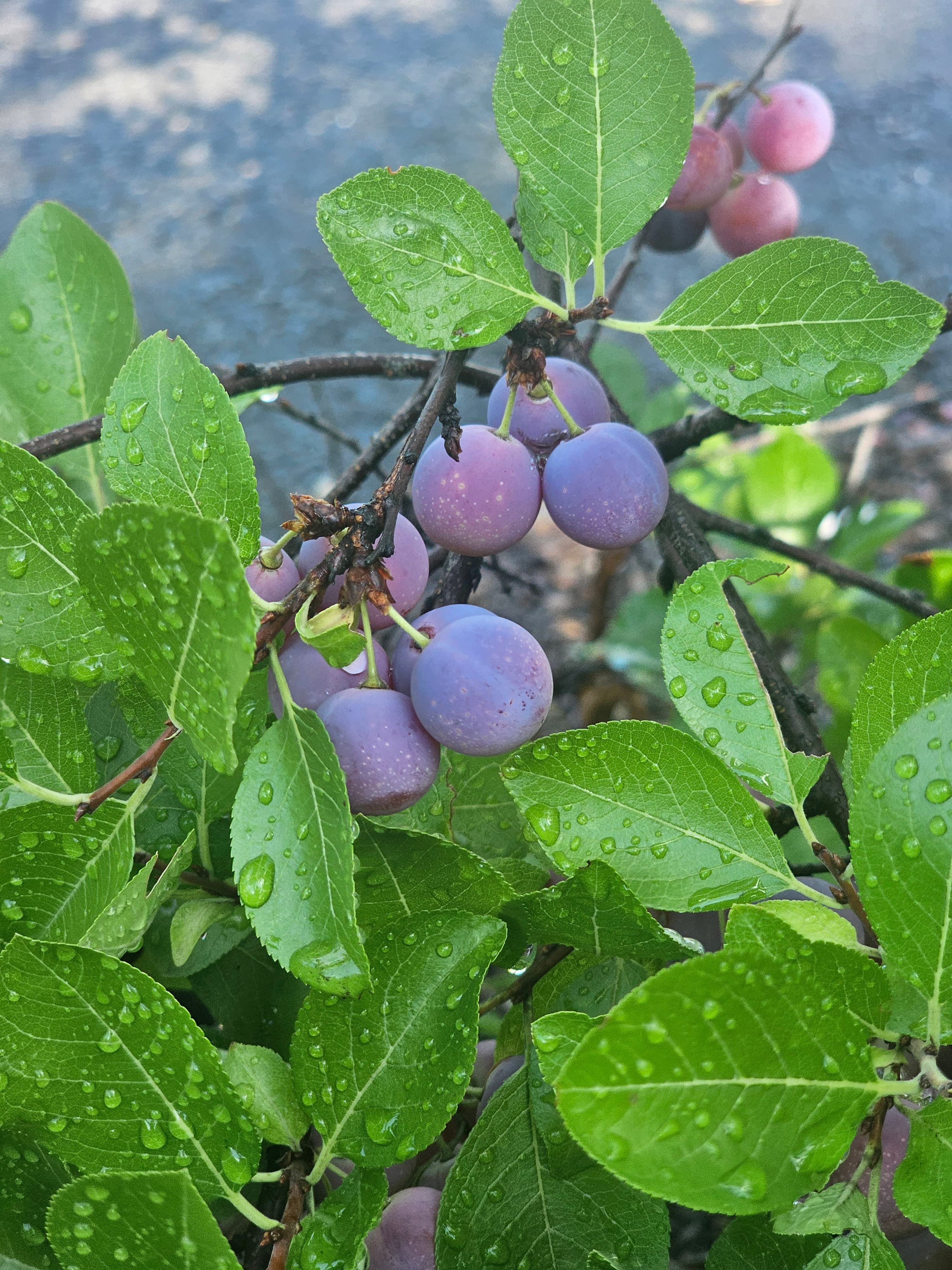
Each packet contains 15 hand-collected Beach Plum (Prunus maritima) seeds. Grow one of the East Coast's most unique native fruiting shrubs. Beach Plum (Prunus maritima) is a hardy native shrub found along coastal dunes and sandy habitats from Maine to Maryland. In late summer it produces small, flavorful plums that are prized for jams, jellies, wines, and fresh eating. Beyond the fruit, Beach Plum provides outstanding wildlife habitat, beautiful spring blossoms for pollinators, and excellent erosion control. It is highly tolerant of wind, salt spray, drought, and poor sandy soils, making it an excellent choice for difficult planting sites. Our seeds are responsibly collected in Pennsylvania and cleaned by hand. Perfect for: Wildlife habitat Native landscaping Food forests Homesteads Pollinator gardens Coastal restoration Hedgerows Edible landscapes

3 available

Pack of 15

Black Cherry (Prunus serotina) Seeds

Seeds

Black Cherry (Prunus serotina) Seeds

Prunus serotina

$5

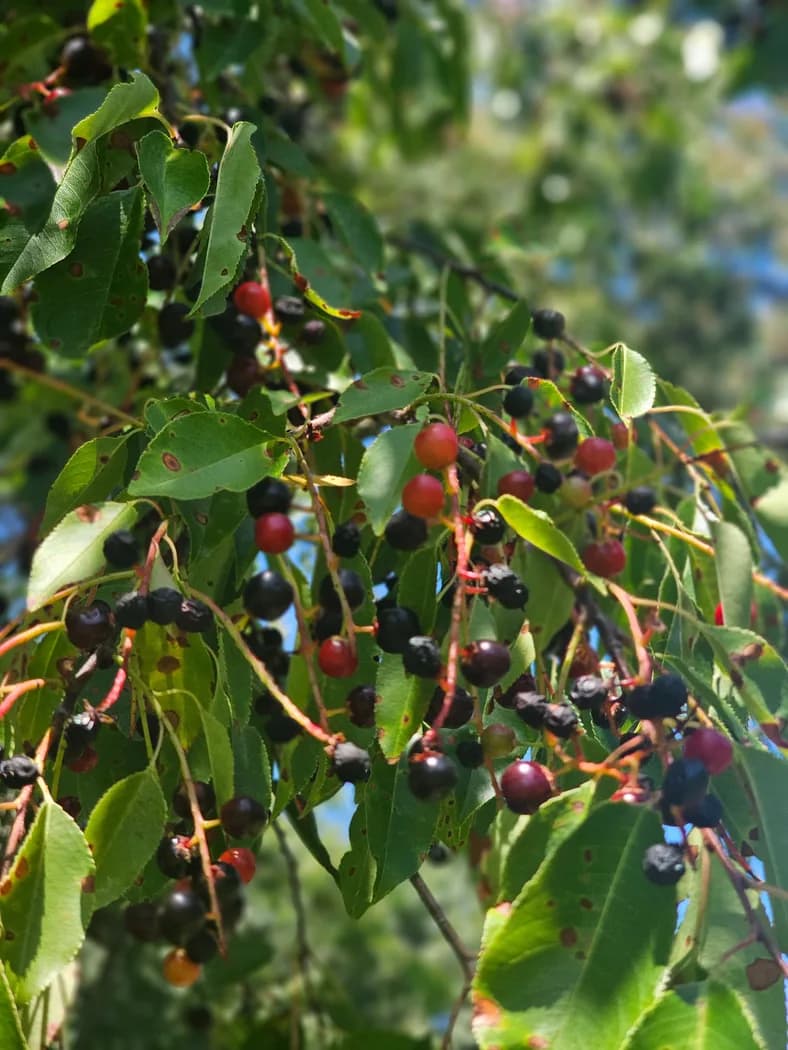
Grow one of North America's most valuable native trees. Black Cherry (Prunus serotina) is a fast-growing native hardwood prized for its beautiful wood, fragrant spring flowers, and abundant fruit that supports hundreds of wildlife species. Its dark purple cherries provide an important late-summer food source for birds, mammals, and other wildlife. This adaptable tree thrives across much of the eastern United States and is an excellent choice for reforestation, wildlife habitat, timber production, native landscaping, and food forests. Each packet contains 25 hand-collected Black Cherry seeds. Our seeds are responsibly collected in Pennsylvania and cleaned by hand. Perfect for: Wildlife habitat Reforestation Timber production Native landscaping Food forests Pollinator gardens Hunting properties Homesteads

20 available

2 options