Base Camp NorthNative nursery and GISCart
Beach Plum (Prunus maritima) Seeds

Seeds

Beach Plum (Prunus maritima) Seeds

Prunus maritima

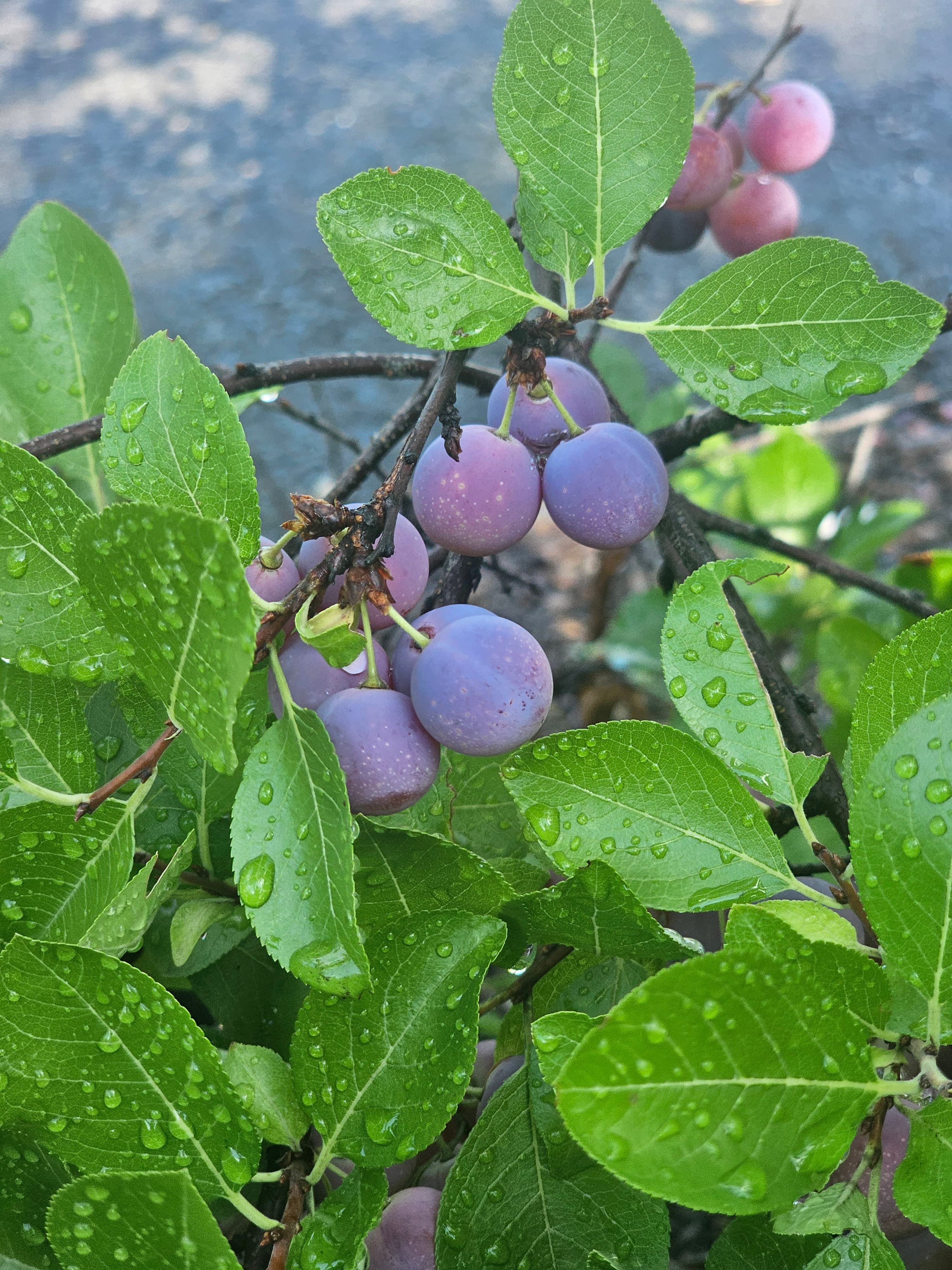
Each packet contains 15 hand-collected Beach Plum (Prunus maritima) seeds. Grow one of the East Coast's most unique native fruiting shrubs. Beach Plum (Prunus maritima) is a hardy native shrub found along coastal dunes and sandy habitats from Maine to Maryland. In late summer it produces small, flavorful plums that are prized for jams, jellies, wines, and fresh eating. Beyond the fruit, Beach Plum provides outstanding wildlife habitat, beautiful spring blossoms for pollinators, and excellent erosion control. It is highly tolerant of wind, salt spray, drought, and poor sandy soils, making it an excellent choice for difficult planting sites. Our seeds are responsibly collected in Pennsylvania and cleaned by hand. Perfect for: Wildlife habitat Native landscaping Food forests Homesteads Pollinator gardens Coastal restoration Hedgerows Edible landscapes

Available options

Pack of 15

SKU BP-15

$5

3 available

SKU BP-15 · 3 available

$5.00

3 in stock

Seed packets can ship by $2 Economy Seed Mail without tracking when they fit in one envelope. Tracked USPS options are available at checkout, and up to 12 seed packets usually fit in one envelope.

Checkout runs through Stripe. Pickup and shipping options are checked before payment.

Growing information

Hardiness

USDA Zones 3–8

Sun

Full Sun

Soil

Moist, well-drained

Bloom or harvest season

Late Summer

Mature height

6-10 ft

Spacing

6-12 in

Native range

Eastern United States coastal regions from Maine to Maryland.

Wildlife value

Very High

Pollinator value

High

Growing notes

Beach Plum naturally grows in sandy soils but adapts well to gardens with good drainage. Plants are extremely drought tolerant after establishment and require very little maintenance. Fruit production is improved by planting multiple shrubs for cross-pollination.

Planting or germination instructions

Planting or Germination Instructions Beach Plum seeds require cold stratification before germination. Remove any remaining fruit pulp. Mix seeds with slightly moist peat moss, vermiculite, or sand. Refrigerate for 90–120 days at approximately 34–40°F. Sow outdoors in spring about ½ inch deep. Germination may occur the first spring, although some seeds naturally wait until a second season. Patience is normal with native shrubs.

Shipping notes

Seeds are shipped in labeled resealable bags with planting instructions.

Related products

Back to shop
Prairifire Crabapple (Malus ‘Prairifire’) – Seeds

Seeds

Prairifire Crabapple (Malus ‘Prairifire’) – Seeds

Malus ‘Prairifire’

$5

Prairifire Crabapple is a hardy ornamental crabapple valued for its vibrant spring blossoms, colorful fruit, and strong disease resistance. This popular landscape tree is widely planted across the United States and performs well in Pennsylvania and the broader Northeast. In spring, Prairifire Crabapple produces abundant deep pink to red blossoms that attract pollinators and beneficial insects. As the season progresses, small dark red crabapples develop and often persist into winter, providing an important food source for birds and wildlife. Prairifire is known for its adaptability and ornamental value, offering multiple seasons of interest with spring flowers, glossy summer foliage, colorful fruit, and attractive fall color. This versatile tree is well suited for wildlife hedgerows, homestead landscapes, pollinator gardens, and naturalized plantings. Seed Pack Options: 25 Seeds 100 Seeds Plant Characteristics: Botanical Name: Malus Prairifire Plant Type: Deciduous ornamental tree Mature Height: 1525 feet Sun: Full sun Soil: Adaptable; prefers well-drained soils Wildlife Value: High fruit supports birds through winter Planting Notes: Crabapple seeds typically benefit from cold moist stratification for 6090 days before planting. Seeds may be stratified in a refrigerator or sown outdoors in fall or winter to allow natural winter conditions to break dormancy. Seed-grown trees may vary slightly from the parent cultivar, which is normal when growing ornamental crabapples from seed.

2 available

2 options

American Elderberry (Sambucus canadensis) Seeds

Plants

American Elderberry (Sambucus canadensis) – Live Plant

Sambucus canadensis (also recognized as Sambucus nigra subsp. canadensis)

$15

Grow one of North America’s most productive and wildlife-friendly native shrubs. American Elderberry (Sambucus canadensis) is a fast-growing native shrub valued for its large clusters of fragrant white flowers and abundant dark purple berries. It is an excellent choice for wildlife habitat, pollinator gardens, food forests, rain gardens, edible landscapes, and natural privacy screens. The flowers attract bees, butterflies, and other beneficial insects. The ripe berries are used in cooked recipes such as syrups, jams, jellies, pies, and wines. This listing is for one healthy, live American Elderberry plant grown by Base Camp North. Perfect for: Wildlife habitat Pollinator gardens Food forests Rain gardens Native landscaping Edible hedgerows Homesteads Privacy screens Important: Elderberry fruit should be fully ripe and cooked before consumption. Leaves, stems, roots, and unripe berries should not be eaten.

9 available

One Plant 12-24 inch Tall