
Field guide
Just Ask: Gathering Seeds, Fruit, Berries, and Nuts with Permission
A simple, respectful approach to asking landowners for permission before collecting seeds, fruit, berries, nuts, or other plant material.
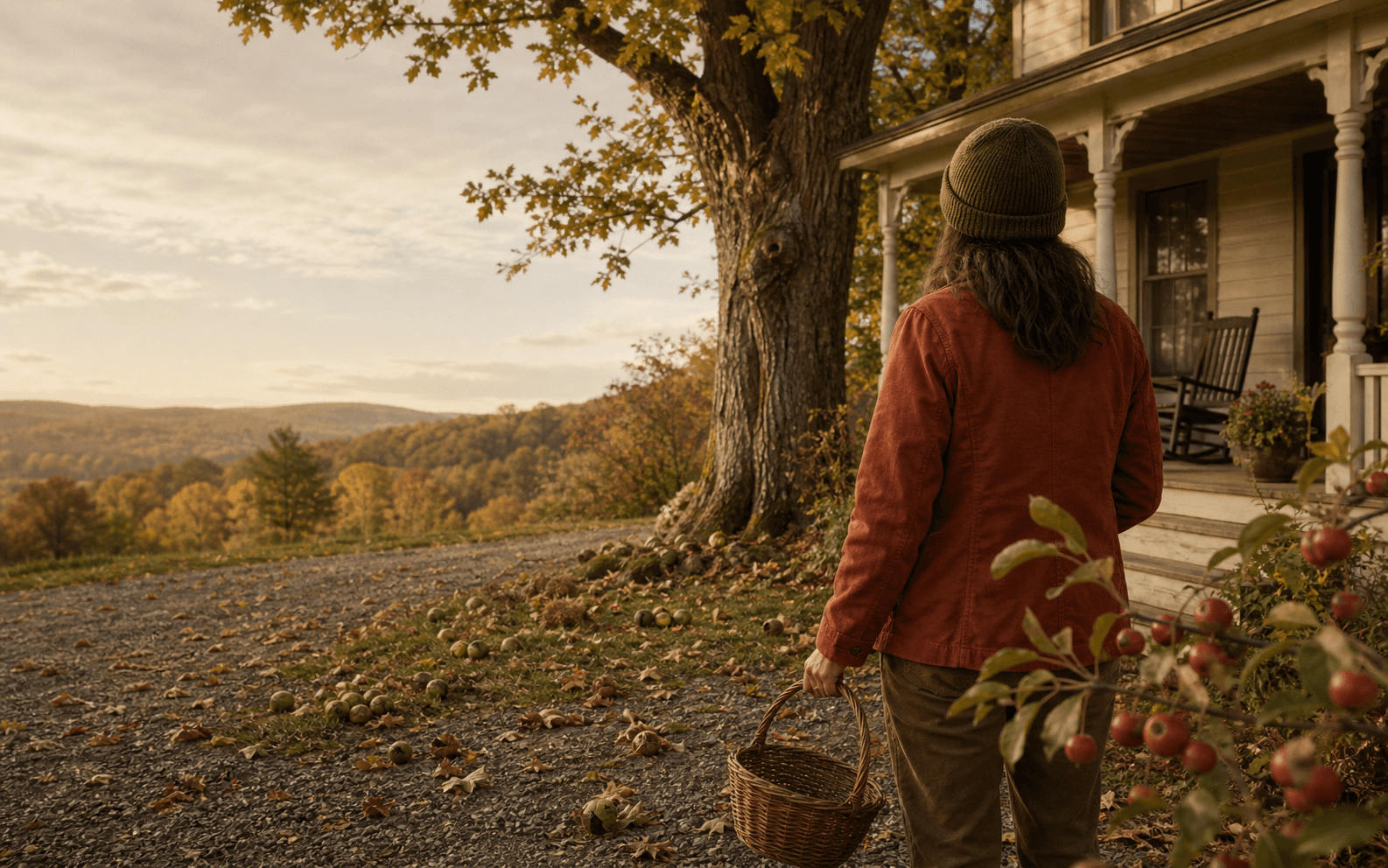
The hard part is often the door
You see it from the road: an old oak dropping acorns across a lawn, a crabapple loaded with fruit, a black walnut along a driveway, or a native shrub covered in berries.
You immediately think, "I would love to collect some of that." Then comes the harder thought: "I would have to ask."
That hesitation is normal. Walking up to a stranger's house and asking permission can feel awkward. But if the plant is on private property, asking is the line between responsible collecting and taking something that is not yours.
Permission starts with a conversation
There is an important difference between seeing something and having permission to collect it. A tree may be dropping more nuts than anyone wants to rake. Fruit may be falling faster than anyone can use it. Berries may appear completely unwanted.
If it is on private property, it belongs to someone. Do not assume. Ask.
The conversation also gives you a chance to explain why you are interested. Maybe you are collecting native seed for propagation, growing trees, preserving local genetics, or working on habitat plantings.
- Simple ask
- Hi, I am sorry to bother you. I noticed the oak on your property has a strong acorn crop this year. I grow native trees locally, and I wondered if you would mind if I picked up some acorns underneath it.
Respect the answer
Sometimes they say yes. Sometimes they say no. Either answer is fine.
If they say no, smile and thank them for their time. Do not argue, pressure them, or try to convince them after they have answered. A respectful no is the end of the conversation.
You did not have those acorns, berries, nuts, or fruit before you asked, and you still do not have them afterward. That is okay. There will always be another tree.
When they say yes
A homeowner may look at you like you are doing them a favor. Anyone who has had black walnuts dropping across a driveway can understand why.
Sometimes the conversation goes beyond simple permission. The landowner may tell you who planted the tree, how old it is, how often it produces heavily, or where another good tree is growing out back.
Suddenly, you have gained more than a bucket of seeds. You have gained knowledge about the plant and the place where it grows.
Be a good guest
Getting a yes is permission to do what you asked. It is not permission to wander the whole property, collect from other plants, block a driveway, damage landscaping, or overstay your welcome.
If you asked to collect acorns under one oak, collect there. If they told you to stay along the driveway, stay along the driveway.
Leave the place exactly as you found it, or better. Thank the person before you leave.
- Do not block vehicles or gates.
- Do not leave gates open.
- Do not break branches unnecessarily.
- Do not leave trash.
- Do not turn a five-minute collection into an hour-long expedition unless they clearly invited that.
Do not be greedy
Permission to collect does not mean you should take everything. That matters even more when you are collecting native seed, berries, nuts, or fruit that wildlife also uses.
Take what you can realistically clean, store, plant, or use. Leave plenty behind.
Responsible collection is not about getting every last seed. It is about collecting enough for your purpose without stripping a plant or abusing someone's generosity.
Ask about coming back
Sometimes the most valuable part of the first visit is getting permission to return. You might find an oak in July, but the acorns will not be ready until September or October.
Ask what works best. They may want you to knock again. They may ask you to text first. They may tell you to come back anytime during the season.
Whatever arrangement you make, respect it. Permission today does not automatically mean unlimited permission forever.
- Return visit
- Would you mind if I checked back later this fall when the acorns are ready?
Keep track of good locations
Once you have permission and find a worthwhile plant, make a record. Save the species if you know it, the location, what you observed, whether the seed or fruit was mature, and when you visited.
Also keep clear notes that the location is private property so you do not accidentally treat it like open access later.
Over several years, respectful observations can become a network of known seed sources and productive plants.
Relationships can grow too
One respectful interaction can lead to another. A landowner who lets you collect a handful of acorns may become interested in what you are growing.
If some of those seeds become seedlings, you may have a good reason to follow up later and show them what came from their tree.
That is how local knowledge grows. It is also how community grows.
The point is respect
Respect the property, respect the plants, respect the landowner, and respect the answer.
The goal is not simply to get free fruit, berries, nuts, or seeds. The goal is to collect responsibly while creating positive relationships with the people who own or manage the land.
Sometimes the difference between driving past a great seed source and finding one you can return to for years is simply having the courage to knock on the door.
Start scouting
Create useful field records while you are outside.
Open BCN Plant Scout before your next woods walk and save the plants, seed crops, and habitat observations you want to revisit.